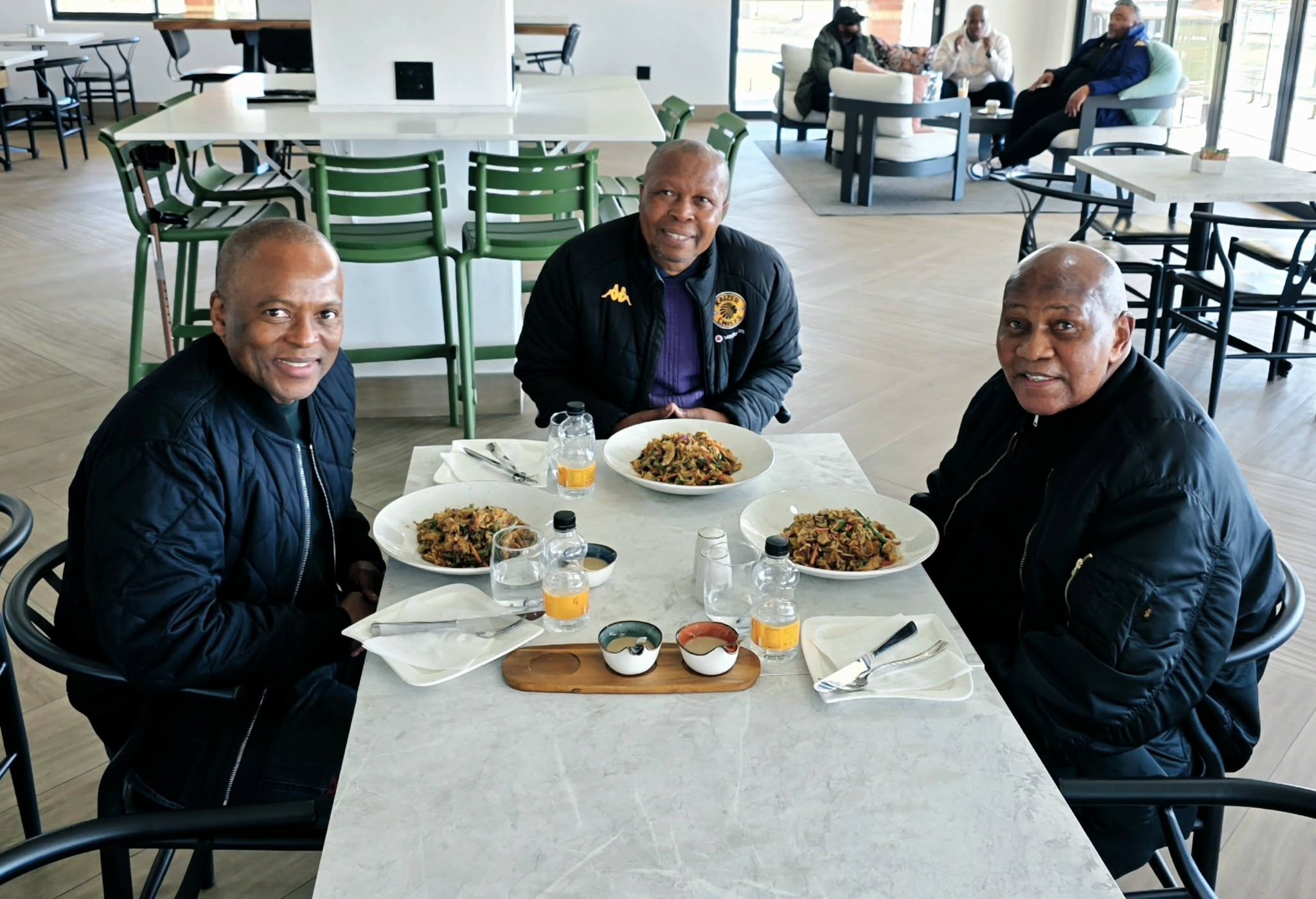
Sandile Zungu Meets Dr Kaizer Motaung in Naturena Ahead of SAFA Vote
The 2026 South African Football Association (SAFA) Elective Congress is set to take place on 12 September, a pivotal moment that will determine the future leadership of South African football. With governance controversies, legal battles, and political maneuvering shaping the backdrop, the stakes could not be higher for the country’s soccer governing body.
Two candidates have officially been cleared by the SAFA Governance Committee to contest the presidency: incumbent Danny Jordaan and challenger Sandile Zungu. Jordaan, who has held the position since 2013, is seeking another term despite facing allegations of fraud and corruption in 2024 — charges he strongly denies. Zungu, meanwhile, has emerged as a formidable contender, buoyed by symbolic endorsements and regional support.
Zungu’s campaign gained momentum in early August when he paid homage to one of South African football’s most revered figures. “This was in early August when I paid a courtesy visit to the living sage, the ultimate legend, Dr Kaizer Motaung, at the Kaizer Chiefs Village in Naturena. The purpose was to inform him Zungu’s hat is definitely in the ring, and to share with him first-hand, my vision for SAFA,” Zungu said on his official Facebook Page. His words underscored both respect for football heritage and his determination to chart a new course for the association.
The visit to Motaung, founder of Kaizer Chiefs, was more than symbolic. It signaled Zungu’s intent to align his campaign with the values of legacy, tradition, and reform. By invoking the wisdom of one of the game’s greatest administrators, Zungu positioned himself as a candidate who respects history while promising change.
Jordaan, however, remains a seasoned operator with deep ties across the football landscape. Having overseen South Africa’s hosting of the 2010 FIFA World Cup and serving in various CAF and FIFA committees, his experience is undeniable. Yet, his tenure has been marred by controversy, with critics pointing to governance failures and financial mismanagement. The upcoming congress will test whether his institutional knowledge outweighs the calls for renewal.
Zungu’s campaign has also been strengthened by the endorsement of the Zulu King, a move that turned KwaZulu-Natal into a critical battleground. This regional backing could prove decisive, as provincial alliances often play a major role in SAFA’s internal elections. For Zungu, the king’s support represents both cultural legitimacy and political leverage.
Observers note that the election is not merely about personalities but about the future direction of South African football. Issues such as youth development, financial transparency, and international competitiveness are at the heart of the debate. Both candidates have promised reforms, but their track records and credibility will be scrutinized by delegates casting their votes.
As the countdown to 12 September continues, anticipation builds across the football community. The congress will not only decide who leads SAFA but also signal whether South African football embraces continuity under Jordaan or change under Zungu. Either way, the outcome will shape the sport’s governance for years to come.